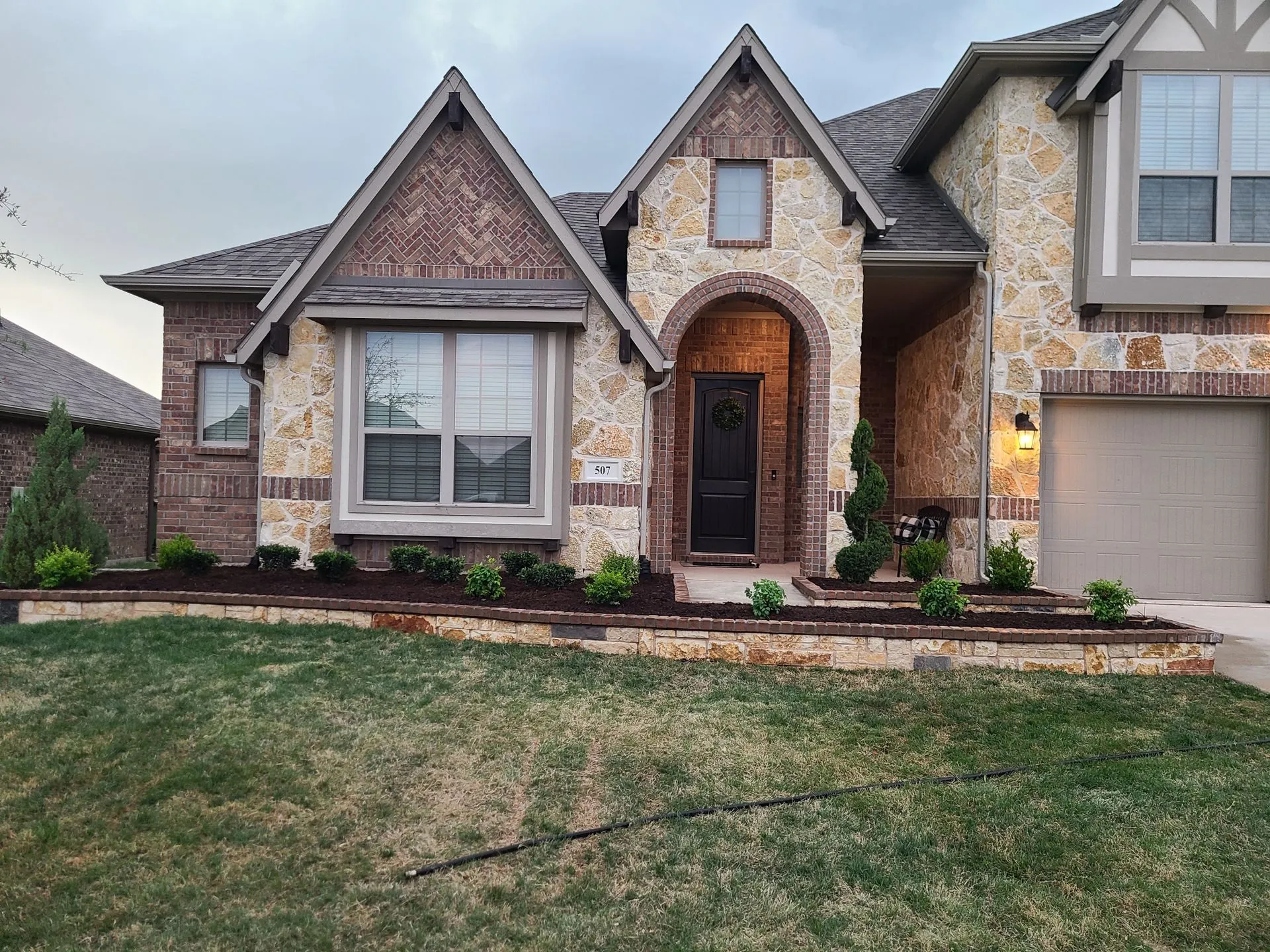
Sustainable Landscape Planning: Designing for Climate Adaptation and Resilience Sep 06, 2026
One of the first steps in sustainable landscape planning is understanding the climate and soil conditions of your area. This involves choosing plants that are native to your region, as they are typically more resilient to local weather patterns and pests. Native plants also require less water, reducing the need for irrigation and promoting water conservation. Integrating native species into your landscape design can lead to a healthier, more sustainable environment both for your garden and the local ecosystem.
Creating a resilient landscape involves careful planning and design to enhance biodiversity. This means integrating a variety of plants to attract beneficial insects and birds, which in turn help control pest populations naturally. Biodiversity in your landscape reduces reliance on chemical pesticides, fosters pollination, and leads to less maintenance overall. By working with Be Green Lawn Care & Landscaping, LLC, you can develop a diverse plant strategy that encourages a thriving, balanced ecosystem.
Another critical aspect of sustainable landscape planning is water management. Efficient water use is essential, particularly in areas prone to drought. Implementing drip irrigation systems or rain gardens helps manage stormwater runoff and conserve water. Drip irrigation systems deliver water directly to the plant roots, minimizing evaporation and waste. Rain gardens, on the other hand, are strategically designed to capture and absorb rainwater, reducing the impact on local water resources.
Hardscaping is another integral element of sustainable landscaping, offering both functional and aesthetic benefits. Permeable materials such as pavers or gravel allow water to permeate through the ground, reducing runoff and flooding risks. At Be Green Lawn Care & Landscaping, LLC, our experts can help you select materials that are both eco-friendly and visually appealing, ensuring that every aspect of your outdoor space contributes to the sustainability goals.
Moreover, designing for climate adaptation includes minimizing the lawn area and focusing on more durable ground covers and mulches. Grass lawns demand frequent watering and mowing, which can have significant environmental costs. Reducing lawn size reduces maintenance requirements and water consumption, making your landscape more resilient to changing climate conditions.
As climate change continues to alter environmental conditions globally, creating a landscape that can adapt and thrive is critical. At Be Green Lawn Care & Landscaping, LLC, we emphasize the importance of sustainable practices that save resources and promote environmental health. By following sustainable landscape design principles, you can create an outdoor space that not only withstands the challenges posed by climate change but also enhances biodiversity and natural beauty.
In conclusion, sustainable landscape planning presents an opportunity to build resilient, adaptable gardens that contribute positively to the environment. Whether through careful plant selection, efficient water use, strategic use of hardscapes, or reduced lawn areas, these thoughtful approaches by Be Green Lawn Care & Landscaping, LLC can make a significant impact. Embracing these practices will ensure that your landscape remains a thriving haven for both people and wildlife, today and in the future.
/filters:no_upscale()/filters:format(webp)/media/314ac569-4d42-4a1d-a241-37f3a646d486.jpeg)