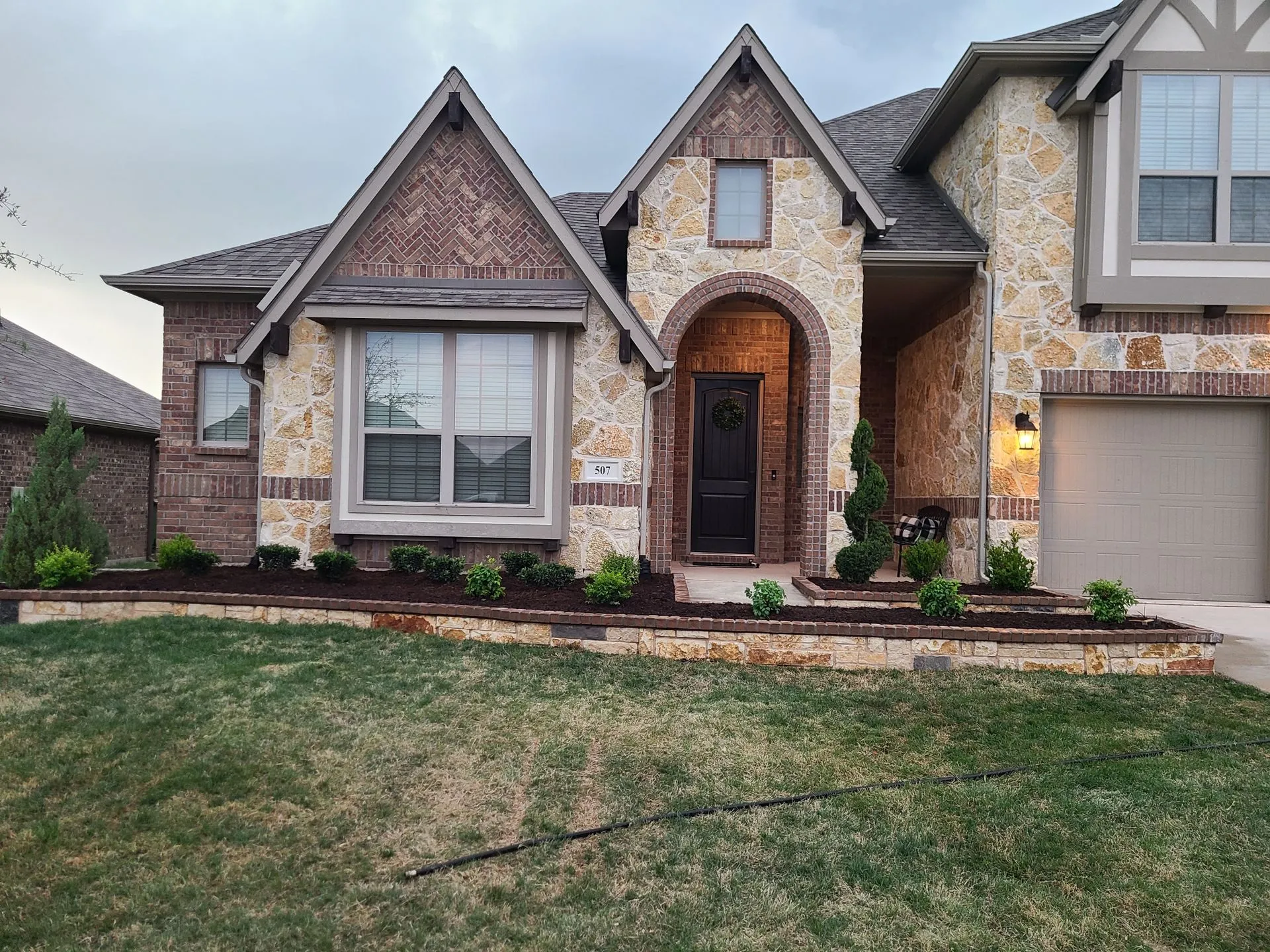
Low-Impact Landscaping: Designing for Beauty and Environmental Health Nov 06, 2026
First, we begin with understanding the essence of low-impact landscaping. This approach, which focuses on sustainable practices, involves using native plants, incorporating water-saving techniques, and reducing chemical inputs. By embracing these principles, your landscape will naturally blend with the local ecosystem, providing habitats for beneficial wildlife and promoting biodiversity.
One of the fundamental practices of low-impact landscaping is the use of native plants. These plants are well-adapted to the local climate and soil conditions, requiring less water and fewer chemical interventions to thrive. At Be Green Lawn Care & Landscaping, LLC, we suggest selecting a variety of species that will offer year-round beauty and encourage local pollinators like bees and butterflies. Not only do native plants require less maintenance, but they also enhance the natural beauty of your landscape, creating dynamic visual interest throughout the seasons.
Another cornerstone of sustainable landscaping is implementing effective water management practices. Water conservation is paramount, especially in areas prone to droughts. Consider installing rain barrels to capture rainwater runoff and designing rain gardens that can naturally filter and absorb stormwater. Additionally, opt for drip irrigation systems over traditional sprinklers, as they efficiently deliver water directly to the base of plants, reducing waste and promoting healthier growth.
Minimizing chemical use is vital in maintaining a low-impact landscape. Chemical fertilizers and pesticides can be harmful to beneficial insects and local waterways. Instead, cultivate healthy soil with organic compost and natural amendments. This not only enriches the soil but also fosters a robust plant growth without the need for synthetic additives. Pest management can be achieved by encouraging natural predators and using organic alternatives, promoting a balanced ecosystem within your garden.
Furthermore, consider incorporating hardscaping elements that require minimal maintenance and support eco-friendly practices. Permeable pavers, for example, allow water to seep through, reducing runoff and aiding aquifer recharge. By integrating materials like gravel, decomposed granite, or recycled concrete, you not only enhance the visual appeal of your landscape but also uphold environmental sustainability.
The path to creating a low-impact landscape also involves conscious planning and design. Think strategically about where to place trees and shrubs to provide shade, reducing the need for energy-intensive cooling systems in adjacent structures. By fostering a microclimate, you enhance the energy efficiency of your home while ensuring plant vitality.
In conclusion, low-impact landscaping presents an opportunity to create beautiful, environmentally responsible outdoor spaces. At Be Green Lawn Care & Landscaping, LLC, we are dedicated to helping you transform your yard into a sustainable haven. By focusing on native plants, water conservation, and reducing chemical use, your landscape can become a thriving, low-impact environment. Together, we can design landscapes that contribute not only to the beauty of your property but also to the wellbeing of our planet.
