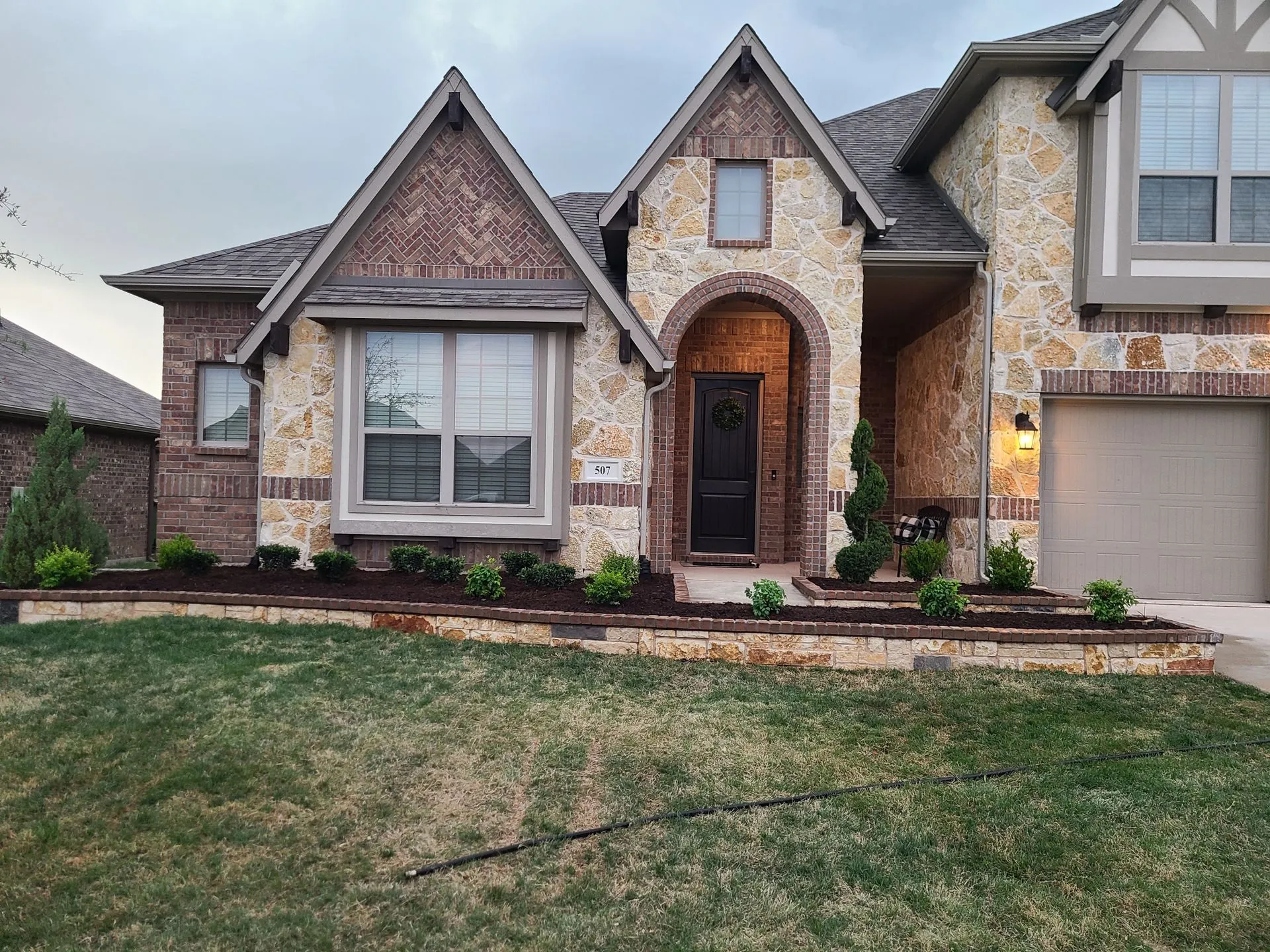
Eco-Conscious Hardscaping: Integrating Style and Sustainability into Your Landscape Apr 16, 2026
Hardscaping refers to the non-living elements of landscaping, such as patios, walkways, walls, and other structures. When thoughtfully designed, hardscaping not only enhances the visual appeal of a space but also offers practical environmental benefits. By choosing sustainable materials and techniques, homeowners can significantly reduce their environmental footprint.
One key to eco-conscious hardscaping is selecting sustainable materials. Reclaimed wood, recycled concrete, and natural stone are excellent choices. These materials not only boast durability and timeless beauty but also reduce reliance on new resources. Incorporating permeable paving is another smart choice. Unlike traditional concrete, permeable pavers allow water to seep through, reducing runoff and promoting groundwater recharge.
Native plants can play a supporting role in sustainable hardscaping. By incorporating native plant species, you provide habitats for local wildlife and reduce the need for water, fertilizers, and pesticides. Native plants, when neatly framed by well-placed hardscaping elements, create a cohesive, eco-friendly outdoor space that bursts with natural beauty.
Water-saving techniques are essential in eco-conscious hardscaping. Consider installing a rain garden to capture and filter rainwater runoff, or opt for a rainwater harvesting system to collect water from hardscape surfaces for later use in garden irrigation. These practices not only conserve water but also improve the health of your landscape.
Energy efficiency is another important aspect. Strategically placed hardscaping can provide natural cooling by directing winds and offering shade, reducing the need for energy-hungry cooling systems. Solar-powered outdoor lighting adds safety and ambiance while running on renewable energy, ensuring minimal impact on the environment.
For those seeking to unify indoor and outdoor spaces, choosing an eco-friendly hardscape can serve as a seamless transition between the two environments. This approach not only enhances the use of space but also creates a unified aesthetic that fosters a connection with nature.
In pursuit of comprehensive eco-conscious landscaping, maintenance plays a vital role. Opt for low-maintenance elements and designs that do not require chemical-heavy treatments or excessive water use. Simple maintenance routines not only reduce resource consumption but also ensure your hardscaping will age gracefully and sustainably.
In conclusion, eco-conscious hardscaping is not merely a trend, but a necessary approach to creating outdoor spaces that capture the heart and respect the planet. By selecting sustainable materials, incorporating native plants, and leveraging energy and water-saving techniques, homeowners can craft landscapes that are a testament to both style and sustainability. Be Green Lawn Care & Landscaping, LLC is committed to guiding you through this journey, helping to transform your vision into reality with eco-friendly integrity. Embrace this opportunity to contribute positively to the environment while enjoying a beautiful, functional outdoor living space.
/filters:no_upscale()/filters:format(webp)/media/314ac569-4d42-4a1d-a241-37f3a646d486.jpeg)